DTF transfers have transformed the way designers print on apparel, delivering vibrant, full-color images for T-shirts and hoodies. This method uses a specialized transfer film and adhesive to produce detailed prints that still feel soft on fabric. DTF printing on apparel benefits from careful planning, including DTF transfer design tips to preserve color and sharpness. When applying, rely on reliable heat press settings for DTF to ensure consistent adhesion, color, and durability. If problems occur, use troubleshooting DTF transfers as a guide and run small tests before a full production run.
For readers new to the technique, this is known as direct-to-film transfers, a film-based printing approach that uses heat and pressure to transfer color. In practice, artwork is printed onto a coated film, coated with an adhesive powder, and then cured and bonded to garments such as T-shirts and hoodies. From an LSI perspective, this digital textile printing method shares space with garment decoration techniques while offering quick setup and excellent color reproduction across fabric types. When planning production, emphasize consistent process parameters, substrate compatibility, and post-press care to ensure durable results.
DTF Transfers on Apparel: How It Works and Why Designers Choose It
DTF transfers use a specially coated film, vibrant inks, and an adhesive layer to carry detailed artwork from the printer to fabric with heat and pressure. The result is graphics that stay crisp and colorful on T-Shirts and Hoodies, while offering a softer hand-feel compared to some other methods. This makes DTF transfers an appealing option for designers who want bold imagery, gradient tones, and durability in one streamlined process.
On apparel, DTF printing on apparel shines because it preserves color fidelity across different fabric tones and textures. The ability to reproduce photographic detail and subtle color shifts means your designs stay close to the original vision, even on dark or textured garments. For teams, brands, or DIY projects, understanding how DTF transfers perform under washing and wear helps you plan production with confidence.
DTF Transfer Design Tips to Elevate Your Artwork
DTF transfer design tips begin long before the garment hits the press. Start with color management, white underbase planning for dark fabrics, and a clear concept for how gradients and fine lines will translate on fabric. By incorporating a built-in white layer or a separate underbase strategy, you preserve brightness and prevent colors from washing out on darker garments.
Next, focus on resolution, layout, and readability. Vector art is ideal for sharp edges, while raster images should target 300 PPI at the final print size to maintain crisp lines and smooth gradients. Consider safe margins, bleed, and multi-location placement for hoodies, so your design remains balanced as it stretches or shifts during wear.
Optimizing Heat Press Settings for DTF: Achieving Consistent Results
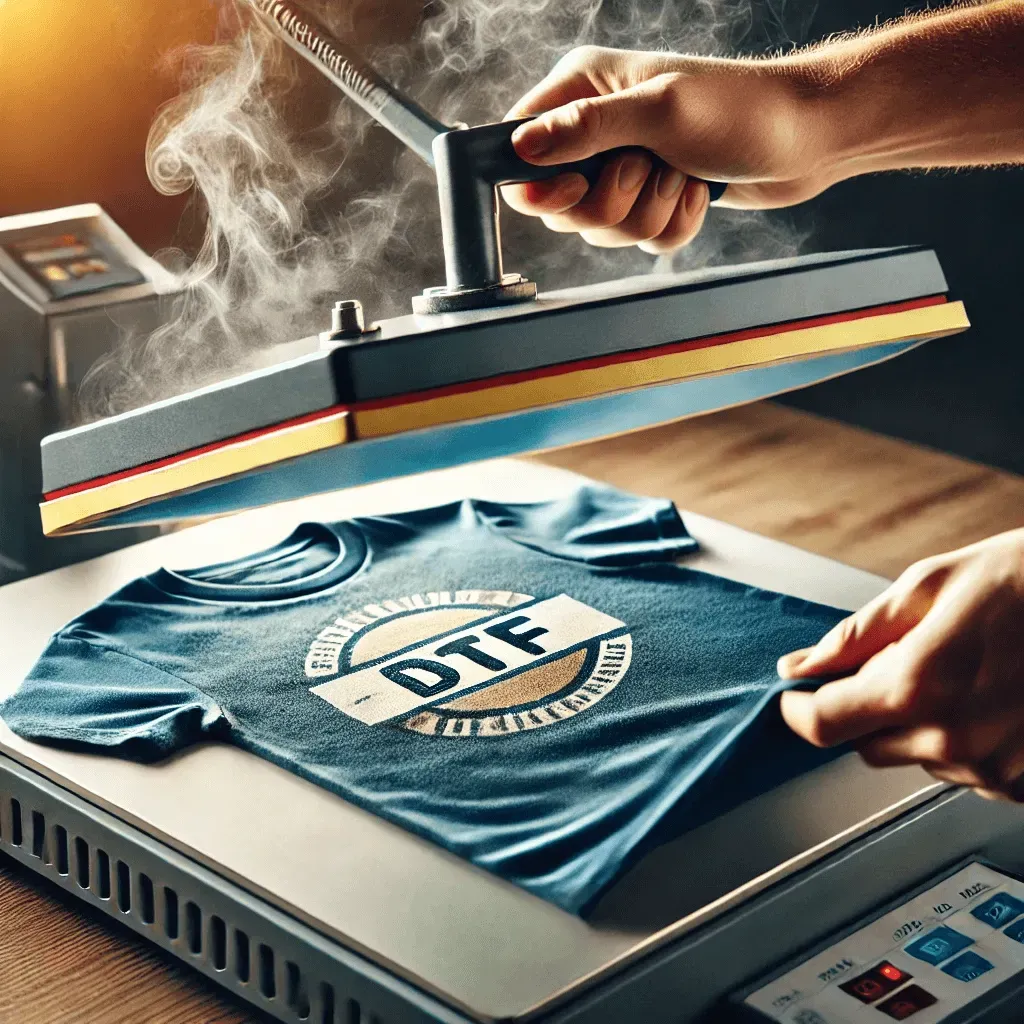
Setting the right heat press parameters is critical for adhesion and color integrity. Typical targets range from 305–320°F (150–160°C), with a dwell time of about 12–15 seconds for standard cotton blends. Medium to firm pressure helps transfer the adhesive without distorting fine details, and a brief pre-press of 2–3 seconds helps remove moisture and set a clean contact area.
Post-press cooling and careful handling further influence durability. Allow the garment to cool briefly after removing from the press to reduce adhesive shifting, then complete the cure with a light post-press if needed. Remember that fabric type, garment weight, and multi-layer designs may require small adjustments to the heat press settings for optimal DTF transfers.
Troubleshooting Common Issues with DTF Transfers
Even with careful preparation, issues can arise. Troubleshooting DTF transfers often starts with color strength and adhesion—faded colors or poor adhesion can signal an underbase that’s too light or a substrate that isn’t properly prepared. Recheck your heat press temperature and time against the transfer film’s specifications and ensure the garment surface is clean and dry.
Other frequent problems include cracking or peeling after washing, bleeding or color shifting on dark fabrics, and grainy texture that diminishes detail. Address these by extending the curing or post-press time, verifying color management and soft-proofing, and testing different settings on a small batch. A quick test print on a sample helps catch issues before a full production run.
Care, Maintenance, and Longevity of DTF Transfers on T-Shirts and Hoodies
To maximize the life of DTF transfers, follow thoughtful care guidelines. Wash inside out at cool to warm temperatures and avoid high heat in the first few washes to protect color and adhesion. Drying is best done with lower heat or air drying to minimize heat exposure that can affect the transfer’s texture.
For long-term durability, consider a reinforcement pass for large color areas and proper storage of transfer films in a cool, dry place. If reprinting is needed, reuse the same well-planned workflow from the initial process and revisit DTF transfer design tips to ensure consistency across future runs. Regular inspection and testing help you maintain high-quality results on your T-Shirts and Hoodies.
Frequently Asked Questions
What are the best heat press settings for DTF transfers for T‑shirts to ensure durability and color fidelity?
Use heat press settings for DTF that are commonly effective: 305–320°F (150–160°C) for 12–15 seconds, with medium to firm pressure. Include a brief 2–3 second pre‑press to remove moisture, then a post‑press cooldown to set the adhesive. Adjust slightly for fabric type (cotton vs blends) and always validate with a small test before full production.
How do DTF transfer design tips influence the final print on apparel?
DTF transfer design tips help preserve brightness and detail. Plan for a white underbase on dark fabrics, target 300 PPI or use vector art for sharp edges, manage color separation, and include safe margins. Considering layering and font readability on hoodies and T‑shirts ensures your artwork prints clearly after transfer.
What are common troubleshooting steps for issues with DTF transfers on apparel?
Common issues include faded colors or poor adhesion, cracking after washing, color bleeding, grainy texture, or a sticky hand feel. Fixes involve verifying underbase strength, ensuring clean and dry substrates, correct heat, time, and pressure per your film specs, and testing with small batches to dial in curing and peeling methods.
What artwork preparation differences should I consider for DTF printing on apparel like T‑shirts versus hoodies?
Account for garment geometry and surface: T‑shirts typically use centered chest placements, while hoodies may require larger front panels and sleeve work. Test color balance across fabric tones, print a small test strip for color accuracy, and plan edge treatment for curved areas to avoid distortion.
How can I care for and finish DTF transfers to maximize their durability on apparel?
Care for DTF transfers by washing inside out in cool to warm water, avoiding high heat for the first few washes. Dry on lower heat or air dry, and consider a brief post‑press to reinforce adhesion. Proper curing and storage of transfer films also help maintain color fidelity and durability over time.
| Topic | Key Points |
|---|---|
| What are DTF transfers? | A modern printing method using a coated film, adhesive powder, and heat to transfer designs onto garments. It supports highly detailed artwork, full color gamut, and a soft, flexible hand feel across fabrics; particularly effective for T-Shirts and Hoodies with good color fidelity on varied fabric tones. |
| Design considerations for DTF transfers | Key tips: color management with white underbase; ensure sharpness with vector art or 300 PPI raster; manage color separation and soft proofing; plan bleed/margins; ensure text readability on dark fabrics; consider layering and subtle textures while testing small samples. |
| Artwork preparation for T-Shirts vs Hoodies | Hoodies have heavier, textured fabrics and larger surfaces; T-Shirts are more uniform. Plan placement (center chest, front panel, sleeves), balance colors for different fabric tones, test colors with small print strips, and account for edge treatment on curved areas. |
| Heat press settings and application | Temperature: around 305-320°F (150-160°C); Time: 12-15 seconds; Pressure: medium to firm; Pre-press 2-3 seconds to remove moisture; Post-press cooling for a few seconds to set the adhesive. |
| Applying the transfer and finishing touches | Consider cold or hot peel based on film; use a release sheet to protect surfaces; a brief second press after cooling can improve full adhesion on larger areas. |
| Troubleshooting common issues | Faded colors/poor adhesion: verify underbase and heat settings; Cracking/peeling: ensure proper curing and post-press time; Bleed/color shifts: color-managed artwork and proper white underbase; Grainy detail: confirm resolution and test batches; Sticky hand feel: adjust curing time and cooling step. |
| Care, maintenance, and long-term durability | Wash inside out in cool/warm water, avoid high heat early washes; Dry carefully (air-dry preferred); Consider reinforcement passes for large color areas; Store transfer films in a cool, dry place to protect color integrity. |
| Capturing best results | Design with DTF transfer tips, test artwork at small scale to tune color management and underbase; standardize heat press settings, maintain a clean workspace, and aim for vibrant, durable prints on T-Shirts and Hoodies. |
Summary
Conclusion: DTF transfers offer a versatile, high-fidelity path to stunning apparel, especially on T-Shirts and Hoodies. With solid design preparation, an understanding of heat press settings for DTF, and a methodical approach to application and troubleshooting, you can deliver professional-quality results that impress customers and friends alike. Embrace the design tips, test thoroughly, and watch your prints come to life on fabric with color-rich accuracy and durable performance.